MechaArt Nexus
《過去的未來》
Bygone Tomorrow
About the Work|關於作品
Bygone Tomorrow is an artwork by Ricky Ma that brings together art, robotics, and artificial intelligence. Beginning with ideas of time, civilization, and human imagination, the work reflects on how things once imagined as the future gradually become part of history once they are realized. The moment the future arrives, it also begins to become the past.
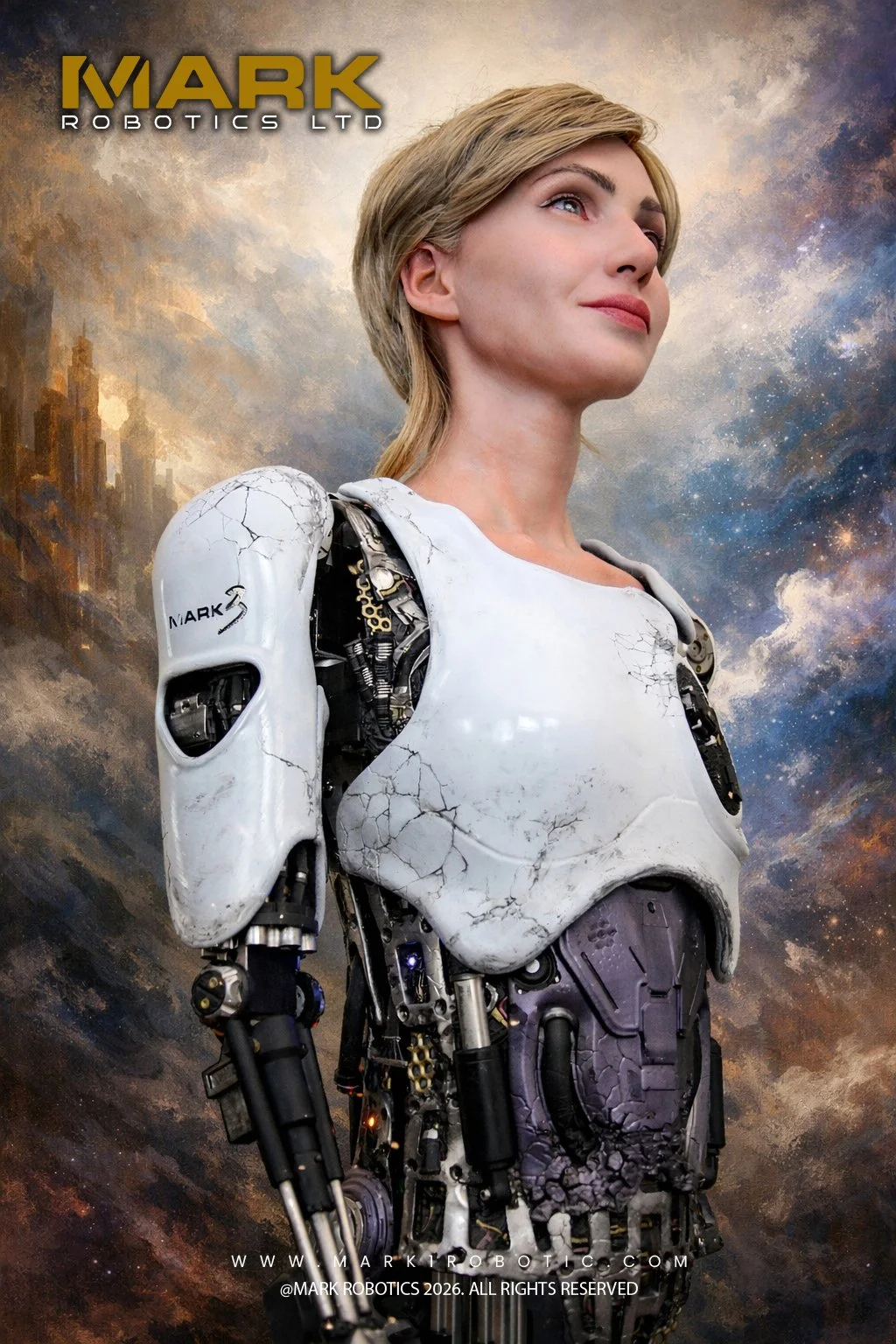
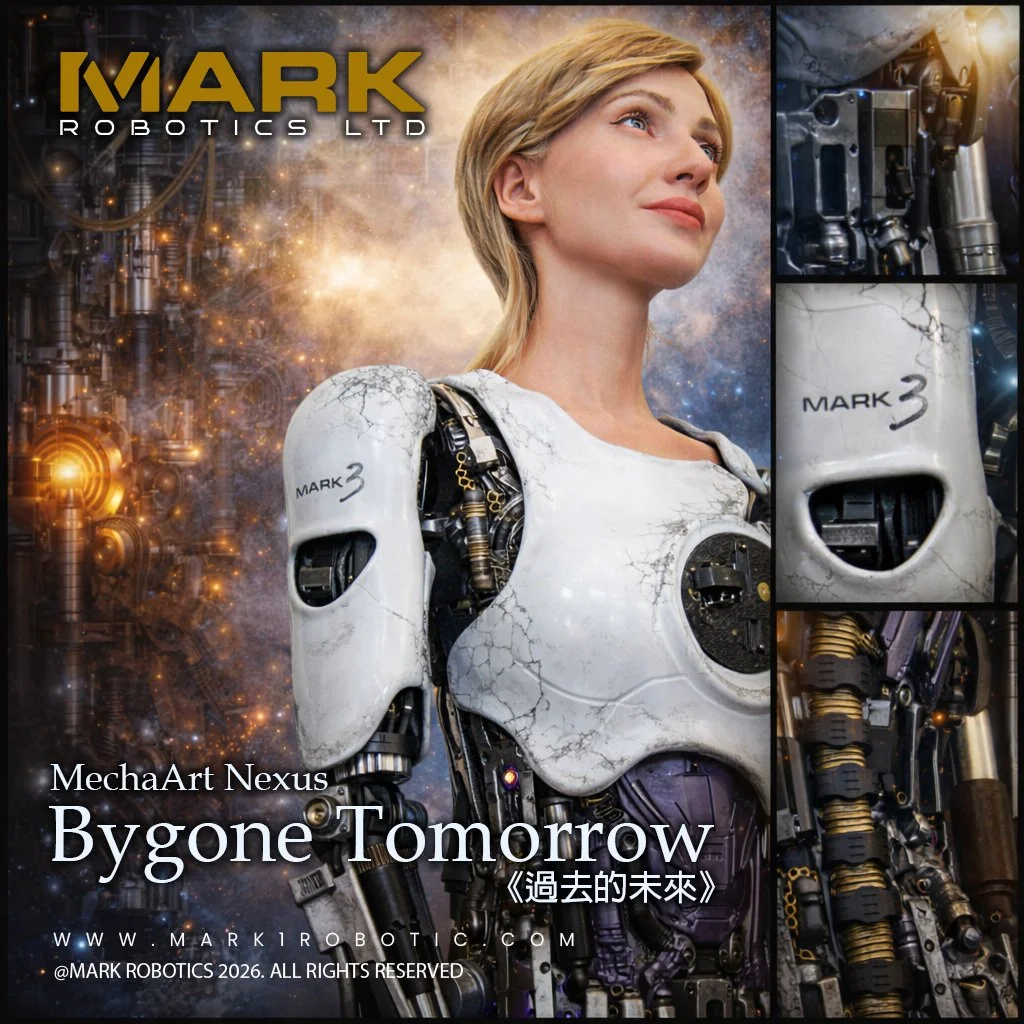
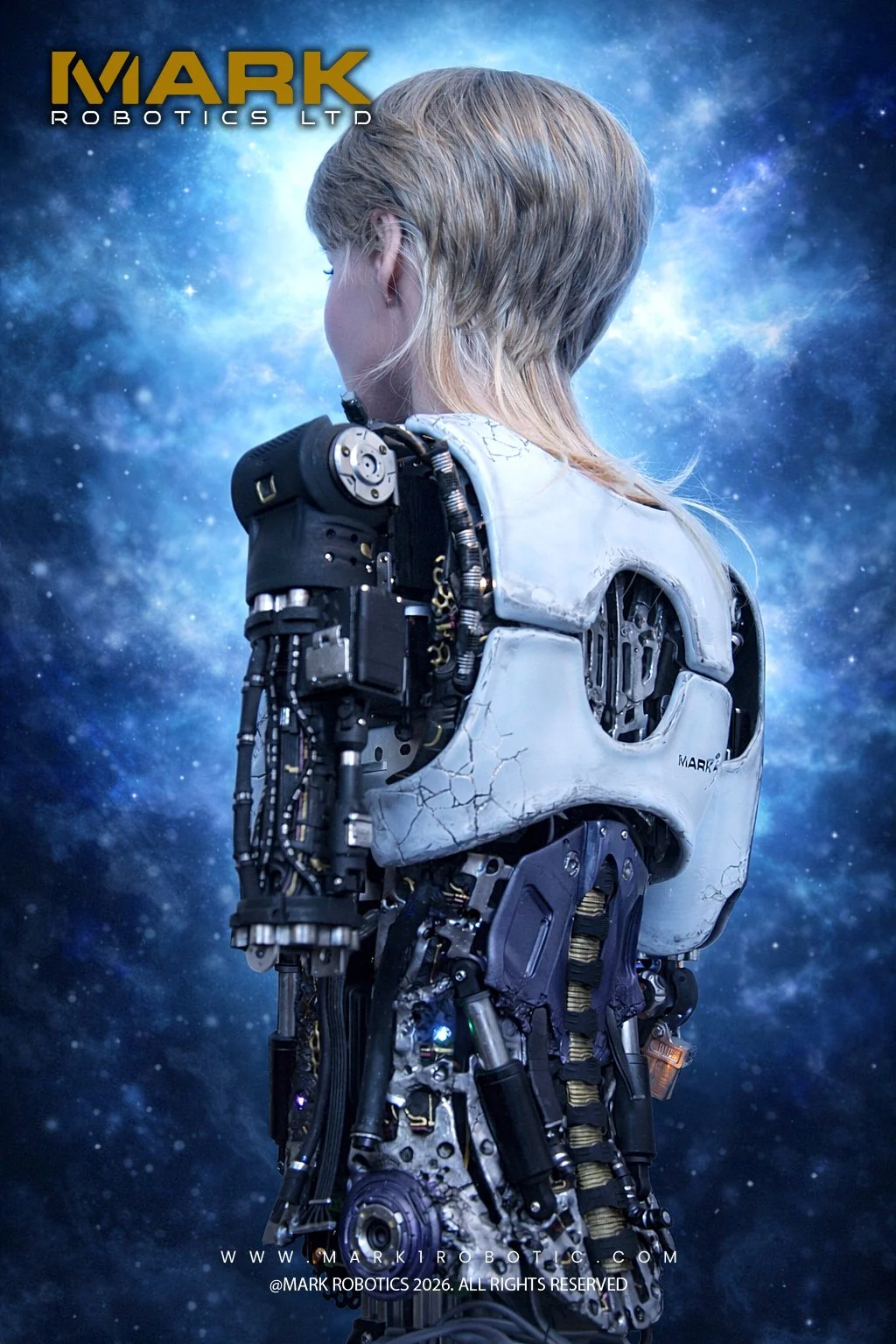
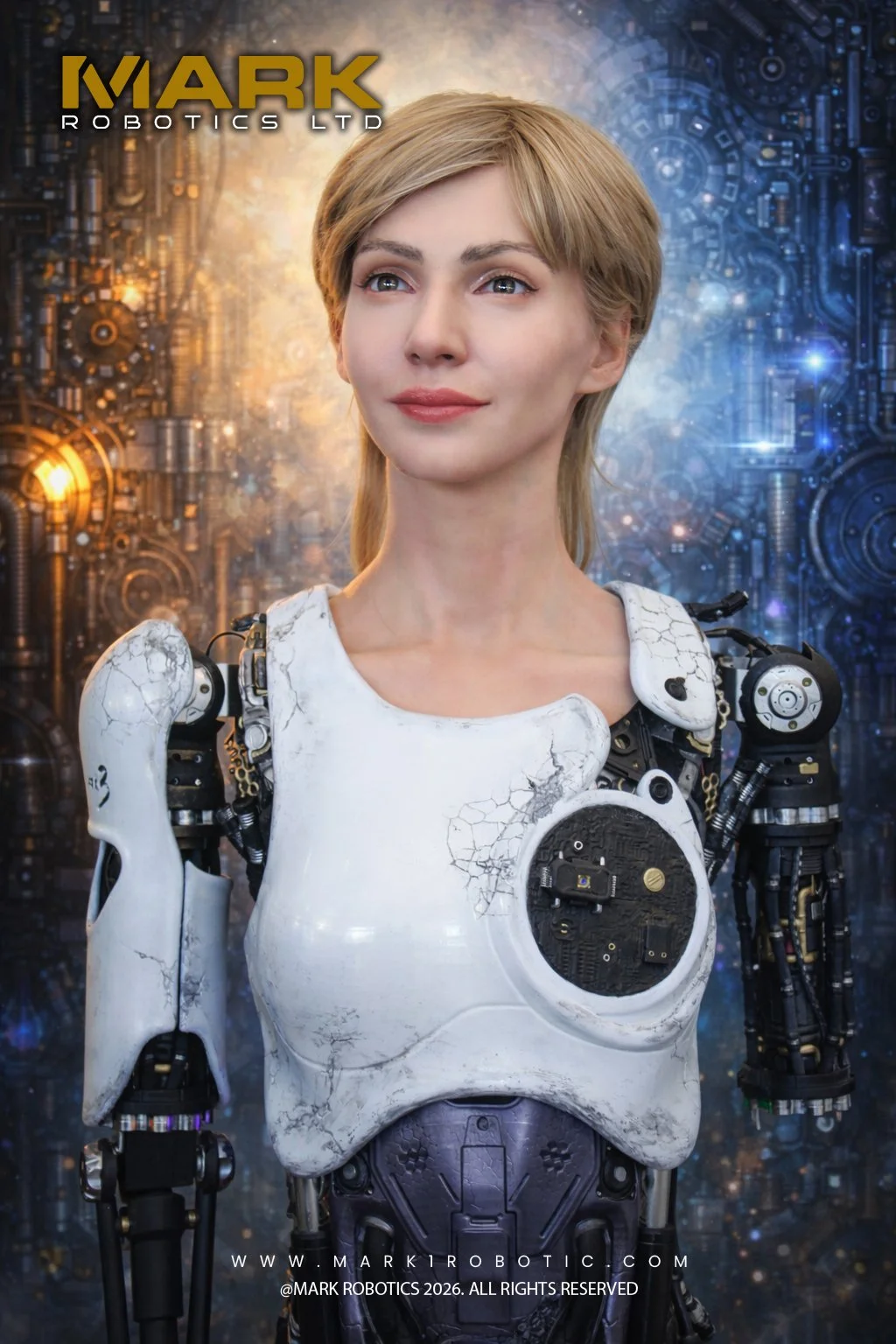
The sculptural form intentionally incorporates a broken, incomplete, and asymmetrical visual language, creating the impression of something that has endured years of decay, damage, abandonment, and rediscovery, as if it had been recovered from the ruins of another time and activated once again. This visual expression allows the work to carry both futurity and history at once: it appears both as an advanced product from the future and as a relic that has already passed through time.
From hand-pulled carts, horse-drawn carriages, and steam trains to automobiles and electric vehicles; from robots imagined in early science fiction to today’s emerging AI and humanoid technologies—human visions of the future have, over time, become the realities before our eyes. Yet once these visions are realized, they no longer belong to the future; they become part of history.
Bygone Tomorrow embodies this recurring sense of temporal dislocation: yesterday’s future becomes today’s reality, and today’s innovation will eventually become tomorrow’s history. The work does not simply present a futuristic image; it invites viewers to feel that everything we now consider new and advanced will one day belong to the past.
In its physical treatment, the work intentionally preserves traces of the passage of time. Brokenness, incompleteness, and asymmetry are not flaws, but deliberate artistic expressions. They allow the work to appear as something that may once have been highly advanced and profoundly futuristic in another era, yet now returns to us only in a reawakened state after a long passage of time.
The inclusion of AI transforms the work from a static object into a presence that can still interact and converse with people. When something that once belonged to the future, and has now become part of the past, is still able to respond to viewers today, the experience it creates is no longer merely technological novelty, but a deeper sense of time, emotion, and presence.
This feeling is like an old friend from another time speaking to you again after many years. For this reason, the work does not lose meaning as time passes. On the contrary, ten or twenty years from now, when people look back at it again, the theme of Bygone Tomorrow will only grow stronger. From the very beginning, the work accepts itself as something that exists within time—it does not attempt to escape becoming outdated, but instead makes “becoming the past” part of its meaning.
Will the future we see today soon become just another part of the past?
Perhaps, in the very moment you encounter this work, that feeling of the future has already begun to quietly slip into the past. Like the work before you now, after today, in ten years, even in twenty years, when you see it again, it will already belong to the past. Yet on the day you first encountered it, it once represented a future that had not yet arrived.
So, in your own life, are there futures you once imagined that have now already become your reality?
《過去的未來》 是 Ricky Ma 創作的一件結合藝術、機械人與人工智能的作品。作品以時間、文明與人類想像作為思考起點,探討那些曾經只存在於未來幻想中的產物,如何在被實現之後,慢慢成為歷史的一部分。當未來真正來臨的一刻,它亦同時開始成為過去。
作品的雕塑外形特意加入殘破、不完整及不對稱的設計語言,營造出一種彷彿經歷多年歲月、損毀、遺棄,甚至像從舊日廢墟之中被重新發現與再次啟動的感覺。這種視覺表達,讓作品同時擁有未來感與歷史感:它既像一件來自未來的先進產品,又像一件已經走過漫長時間、屬於過去的遺物。
從人力車、馬車、蒸汽火車,到汽車與電動車;從早期科幻中的機械人,到今天逐漸走進現實的人工智能與仿真人技術——人類曾經對未來的幻想,最終都在時間推進之下,成為眼前的現實。然而,當這些未來被實現之後,它們便不再屬於未來,而成為歷史的一部分。
《過去的未來》所呈現的,正是這種不斷循環的時間錯位感:昨日的未來,成為今天的現實;今天的創新,終將成為明日的歷史。作品不只是要呈現一種未來感,而是希望讓觀眾感受到:我們今天所面對的一切新穎與先進,也終有一天會變成過去。
在外形處理上,作品故意保留時間流逝的痕跡。殘破感、不完整與不對稱並不是缺陷,而是一種有意識的藝術表達。它讓作品看起來像一件曾經在某個年代極具未來感、極為先進的創造,但經過漫長歲月之後,今天只以一種被重新喚醒的姿態再次出現在我們面前。
而 AI 的加入,令作品不再只是被觀看的物件,而是一個仍然可以與人互動、與人對話的存在。當一件曾經屬於未來、如今已成過去的產物,仍然可以開口回應今天的觀眾時,它所帶來的感受就不再只是科技上的新奇,而是一種更深層的時間感、情感與存在感。
這種感覺,就像一位來自過去的故友,在多年之後,再次與你傾談。也正因如此,這件作品不會因為時間過去而失去意義。相反,十年之後、二十年之後,當人們再次回望它時,「過去的未來」這個主題只會變得更加濃厚。因為它從一開始就已經承認自己是一件屬於時間之中的作品——它不是逃避過時,而是把「成為過去」本身,變成作品的一部分。
我們今天所看見的未來,是否很快又會變成另一段過去?
也許,就在你與這件作品相遇的此刻,那份對未來的感受,已經在下一秒悄悄成為過去。正如你此刻所看見的這件作品,今天之後,十年之後,甚至二十年之後,當你再次回望它時,它都已經屬於過去。但在最初與它相遇的那一天,它曾經代表著一個尚未到來的未來。
那麼,在你的人生之中,是否也有一些曾經屬於未來的想像,如今,已經成為了現實?
Why is it titled Bygone Tomorrow?
作品名稱解釋
為何命名為《過去的未來》?
The title Bygone Tomorrow comes from a reflection on time and the development of civilization.
Human beings have always imagined the future. In every era, people project their expectations onto the unknown, and through creation and technological development, gradually bring into reality things that once existed only in fantasy. However, when the future is finally realized, seen, and used, it no longer belongs to the future — it becomes reality; and at the very moment reality takes place, it is already moving toward the past.
Therefore, Bygone Tomorrow points to those things that were once imagined as the future, but have now become part of history. Robots and artificial intelligence are among the clearest symbols of this idea — once visions of science fiction, they are now steadily becoming part of the reality before us.
The title carries a sense of temporal displacement, while also reflecting how human civilization continuously moves forward through an endless cycle of imagining the future, realizing it, and then imagining the next one again.
「過去的未來」這個名稱,來自一種關於時間與文明發展的思考。
人類一直都在想像未來。每一個時代都會對未知產生期待,並透過創造與技術發展,把那些曾經只存在於幻想中的事物逐步實現。然而,當未來真正被實現、被看見、被使用時,它就不再屬於未來,而成為了現實;而現實在發生的同時,也正在走向過去。
因此,「過去的未來」所指向的,是那些曾經被想像為未來的事物,在今天已經成為歷史的一部分。機械人與人工智能正正就是這種概念的最佳象徵——它們曾經是科幻中的未來,如今卻逐步成為我們眼前的現實。
這個名稱既帶有時間錯位的感覺,也反映出人類文明總是在「想像未來、實現未來、再重新想像下一個未來」的循環之中不斷前進。
像一位來自過去的故友,在多年之後,再次與你對話。
Like an old friend from another time, it speaks to you again.
Key Elements of the Work
作品重點元素
1. Temporal Displacement
1. 時間錯位
The work emphasizes the idea that the moment the future is realized, it already begins to become the past, revealing the shifts and cycles within the flow of time.
作品強調「未來在實現的一刻,已經開始成為過去」的概念,呈現時間流動中的落差與循環。
2. A Visual Language of Ruin and Reawakening
2. 殘破與重啟的視覺語言
The sculptural form intentionally incorporates brokenness, incompleteness, and asymmetry, creating the presence of something weathered by time, forgotten for years, and then reactivated.
雕塑外形刻意加入殘破感、不完整及不對稱設計,營造出一種像被時間侵蝕、被遺忘多年後重新啟動的存在感。
3. Futurity and History Coexisting
3. 未來感與歷史感並存
Visually, the work appears at once like an advanced object from the future and a relic left behind from the past, creating a strong temporal tension.
作品在視覺上同時像一件先進的未來產品,也像一件從過去遺留下來的舊文明物件,形成強烈的時間張力。
4. The Robot as Symbolic Medium
4. 機械人作為象徵媒介
The robot is not merely a display of technology, but a symbol that condenses science fiction, futurity, civilizational development, and human imagination.
機械人不只是技術展示,而是一個濃縮了科幻、未來感、文明進程與人類想像力的象徵。
5. The Fusion of Art and Technology
5. 藝術與科技結合
The work does not simply present technology; instead, it is led by art, with technology serving as an extension of the creative concept.
作品不是單純呈現科技,而是由藝術主導,再將科技作為延伸創作概念的媒介。
6. AI and Interactivity
6. AI 與互動性
AI transforms the work from a passive object into a presence that can still interact and converse with people, even after many years.
AI 令作品不再只是被觀看的物件,而是一個即使經過多年,仍然可以與人對話、與人互動的存在。
7. Asymmetry and Incompleteness as Expression
7. 不對稱與不完整作為表達
The incomplete and asymmetrical form is not a flaw, but a deliberate artistic expression that points to time, erosion, memory, and historical traces.
外形上的不完整與不對稱並非缺陷,而是一種有意識的藝術表達,指向時間、損耗、記憶與歷史痕跡。
8. A Theme That Does Not Age
8. 歷久而不過時的主題性
Because the work already embraces “becoming the past” as part of its theme, it will not appear outdated even ten or twenty years later. On the contrary, the passing of time will bring it even closer to its original meaning.
由於作品本身已將「成為過去」納入主題之中,因此即使十年、二十年後再觀看,它不但不會顯得過時,反而會更貼近作品原本想表達的時間感。